
Dental Hygienist Overtime and Exempt Status in New Jersey: A Dental HR Guide for Practice Owners

Dental hygienist overtime in New Jersey starts with a safe working rule. Plan to pay time and one-half the regular rate after 40 hours in a workweek unless you can show the hygienist meets every part of an exemption. A license, a title, a salary or a day rate does not settle it alone. Some hygienists can qualify as exempt professionals, based on education, duties and how they are paid. This is the dental HR question to answer before the next payroll.
Key Takeaways
- Direct answer: A non-exempt hygienist is owed overtime for hours over 40 in a workweek.
- Exemption is possible. The federal rule describes hygienists with four academic years of qualifying study as generally meeting the duties test.
- Duties are only part of it. The pay arrangement must also meet the salary basis (or a qualifying fee basis) and minimum amount requirements.
- A day rate alone is not a salary. It needs a close review.
- Caveat: Exempt status depends on the facts for each person. This is HR guidance, not legal advice.
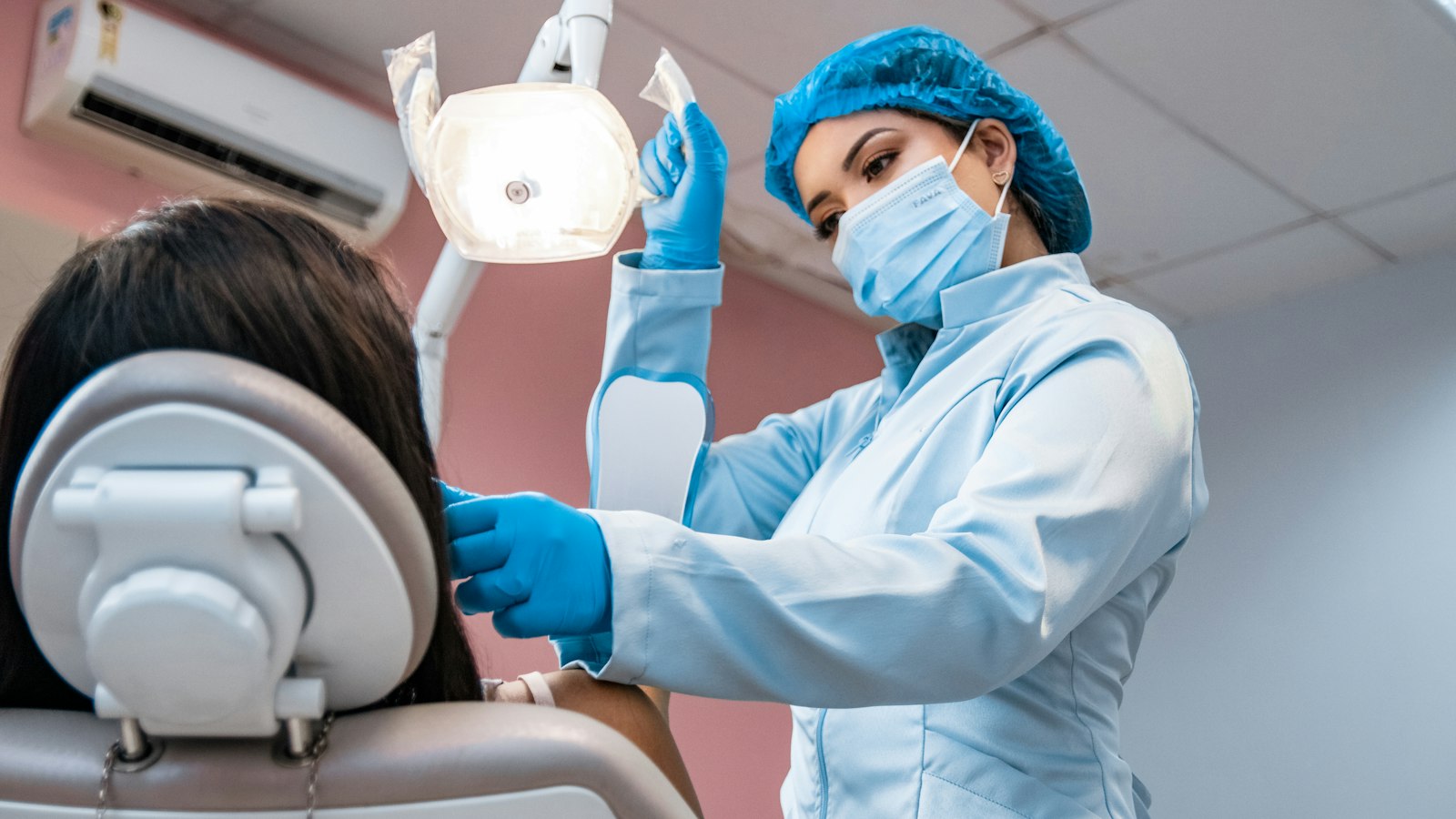
How Dental Hygienist Overtime Works in New Jersey
The New Jersey Wage and Hour employer FAQs say overtime is paid at time and one-half after 40 hours of actual work in a seven-day workweek, with an exception for certain salaried employees who meet an executive, administrative or professional definition. Paid holiday hours do not count toward the 40. The same page says an employer and employee cannot agree to skip overtime, even when the employee offers to work extra hours at straight time.
For those definitions, New Jersey looks to the federal rules. N.J.A.C. 12:56-7.2 adopts 29 CFR Part 541 by reference, with exceptions set out in the New Jersey rule. So the test for a hygienist in your office runs through the federal professional exemption. Each workweek also stands alone. Our guide to dental assistant overtime in New Jersey covers hours worked, and DOL Fact Sheet 23 says averaging two or more weeks is not permitted.
Can a Dental Hygienist Be Exempt from Overtime?
Yes, in some cases. The exemption in play is the learned professional exemption. DOL Fact Sheet 17D explains that the primary duty must be work requiring advanced knowledge, in a field of science or learning, of a kind customarily acquired through a prolonged course of specialized intellectual instruction. Primary duty means the principal, main, major or most important duty. Time spent matters, but it is not the only test.
The federal regulation addresses hygienists by name. 29 CFR 541.301 says dental hygienists who have successfully completed four academic years of pre-professional and professional study, in an accredited college or university program approved by the American Dental Association’s accrediting commission, generally meet the duties requirements.
Read that sentence carefully. It speaks to four academic years, and it addresses duties only. The Bureau of Labor Statistics says hygienists typically need an associate’s degree, though some also earn a bachelor’s degree. The hygienist sentence does not extend to every licensed hygienist. If someone’s education falls short of that description, treat the position as non-exempt unless a qualified review of the full rule supports a different answer.
The Pay Test Comes Next
Meeting the duties test is half the work. DOL Fact Sheet 17A and the professional exemption rules also require pay on a salary basis, or for professionals a qualifying fee basis, at or above a minimum level. DOL posts the current figure on its salary levels page. It is a weekly amount, and the salary level rule says one week is the shortest pay period that can satisfy it. We found no reduced or prorated version for part-time schedules in that rule, so check a part-time hygienist’s weekly pay against the full minimum.
Salary basis means the employee regularly receives a predetermined amount that is not cut because of the quality or quantity of work. With limited exceptions, the full salary is due for any week in which the employee performs any work. DOL also says that when an employee is ready, willing and able to work, you may not deduct for time when work is not available.
Picture a slow week. The schedule has holes, or the office closes for two days while the dentist is at a course. If you reduce a salaried hygienist’s pay for that time, you are putting the salary basis at risk. If you want pay to follow the schedule, hourly pay fits far better.
Hourly, Day Rate or Salary: What Changes
| Pay Method | What It Means for Overtime | What to Check |
|---|---|---|
| Hourly | Plan on non-exempt treatment and overtime over 40 hours. | Time records, pre-shift and closing work, bonuses in the regular rate. |
| Day rate | A flat daily amount alone does not create an exemption. | Weekly guarantee, its relationship to actual earnings, hours over 40. |
| Salary | Exempt only if duties, salary basis and minimum level are all met. | Education, primary duty, deductions, weekly amount. |
Day rates deserve extra care. When a non-exempt employee is paid a flat sum per day, the federal day rate rule totals the day rate pay for the week and divides it by all hours worked to find the regular rate. It then adds half of that rate for each hour over 40. Confirm how New Jersey rules apply to your setup before you build payroll around this method. Either way, you need actual hours.
An exempt employee’s earnings can be computed by the day only under specific conditions. The arrangement must guarantee at least the required weekly minimum on a salary basis, no matter how many days are worked. The guarantee must also bear a reasonable relationship to what the employee usually earns. A hygienist who is paid only for the days on the schedule has no such guarantee.
Mixed rates matter too. When a non-exempt employee works at two or more hourly rates for you in one week, such as a hygiene rate and a lower rate for other work, the regular rate is generally the weighted average. New Jersey’s FAQs describe the same method for a worker with two job titles and different rates.
Part-Time Hygienists and More Than One Practice
The Bureau of Labor Statistics notes that many hygienists work part time, and some work for more than one dentist. A part-time label does not decide overtime. A non-exempt hygienist who works over 40 hours for your practice in one workweek is owed overtime, even if that week is unusual.
Several offices raise a second question. If one employer sends a hygienist to two of its locations, count the hours from both. If the offices are separate legal entities with shared owners, managers or scheduling, whether the hours must be combined depends on the facts. The sources reviewed for this article do not settle every arrangement. Get the structure reviewed before you run separate payrolls that each stay under 40.
How to Test a Hygienist’s Exempt Status
Review each person separately.
- Confirm education. Collect proof of academic years completed and the accreditation of the program.
- Describe the real job. Compare daily work to the job description and identify the primary duty. Our guide to dental office job descriptions helps you start.
- Read the pay arrangement. Look at the offer letter, payroll settings and actual pay stubs. They should match.
- Check every week. Compare weekly pay with the current DOL minimum, including light weeks.
- Review deductions. Look for pay reduced for cancellations, early dismissals or slow days.
- Record the decision. Note the facts, the reviewer and the date. Revisit it when duties, hours or pay change.
Job titles will not carry the decision. The federal rules say a job title alone is insufficient to establish exempt status. If any step comes back uncertain, keep the hygienist non-exempt while you get it reviewed.
If you find a past problem, deal with it promptly. New Jersey’s FAQs state a six-year statute of limitations on wage complaints, including overtime. Talk with an employment attorney about back pay exposure. For trial shifts, see our guide to paid working interviews. Then put your timekeeping and overtime approval rules in your dental office employee handbook.
How a Staffed HR Team Helps Your Practice
My Virtual HR Director has supported dental offices since 2013, and our team brings more than 30 years of HR experience. You get a staffed HR department: a senior HR expert, an HR manager, and payroll or HR admin support, each with backup. We help you gather the facts, review classification and compliance questions, align payroll administration with the decision, and put clear rules into your written policies.
Calls, texts and emails are unlimited and answered promptly. See how a fully outsourced HR function works, or read how to choose an HR consultant before you decide.
Frequently Asked Questions
Do Dental Hygienists Get Overtime in New Jersey?
Non-exempt hygienists get time and one-half their regular rate for actual hours over 40 in a workweek. Some may qualify for the professional exemption. That requires meeting both the duties test and the pay requirements, so a license, title or salary alone does not answer the question.
Is a Hygienist with a Two-Year Degree Exempt?
Do not assume so. The federal hygienist example describes four academic years of qualifying pre-professional and professional study. It does not extend that statement to a typical associate’s degree. Treat the position as non-exempt unless a qualified review of the education, duties and full rule supports another answer.
Does Paying a Salary Make a Hygienist Exempt?
No. A salary is only one requirement. The hygienist must also meet the duties test, and the salary must meet the minimum level and salary basis rules. A salaried hygienist who does not qualify is still owed overtime, so you also need accurate records of hours worked.
Can We Pay Our Hygienist a Day Rate?
You can use a day rate if the total pay meets wage and hour requirements, including any overtime due. A day rate alone does not create an exemption. Exempt treatment requires added conditions, including a qualifying weekly guarantee reasonably related to usual earnings. Get the arrangement reviewed first.
Does a Part-Time Hygienist Get Overtime?
It depends on exempt status and actual hours. A non-exempt part-time hygienist who works more than 40 hours for your practice in one workweek is owed overtime. For an exempt arrangement, we found no part-time reduction of the weekly salary minimum in the federal salary level rule.
Talk to an HR Expert About Your Practice
My Virtual HR Director provides human resources support and experience-based HR guidance, NEVER legal advice. We do not provide legal, tax, or financial advice. Benefit plan design and strategy consulting is provided by our licensed senior HR leadership. Insurance quoting, marketing, and placement are provided separately by licensed partner agencies. For legal questions, consult a licensed employment attorney.
Joseph Campagna, SPHR, SHRM-SCP is president and owner of My Virtual HR Director, a human resources outsourcing company serving small and medium sized businesses nationwide. My Virtual HR Director provides an executive level HR advisor to companies that can’t afford or can’t justify hiring a fulltime HR professional on staff.
With thirty years of experience dedicated to the HR profession, Mr. Campagna has honed his skills as an expert in compliance, talent management and employee relations. Bringing human capital management experience from start-ups, IT and biotechnology companies, employee leasing, and fortune 100 behemoths Mr. Campagna has filled his tool belt through generalist work, executive positions, and consulting opportunities with companies such as ADP, Merrill Lynch, and Johnson & Johnson. As Vice President of HR for biotech company Hemo Concepts, as well as the head of HR for the global IT solutions company, the Galaxy Group, Mr. Campagna created rich and successful organizational development and employee engagement programs.
Having worked with a diverse group of companies and clients in a broad spectrum of industries and environments, he brings a unique HR philosophy to every organization he works with. “HR is not the picnic department,” he says “but instead bears the full responsibility and the unlimited potential for a highly productive and efficient workforce. If HR systems are successful, the organization’s revenue should be increased.” From mergers and acquisitions, to IPO’s, to new product development, to divestiture Mr. Campagna has a true business background to support his HR Architecture.
Mr. Campagna is certified as a senior professional through both the Human Resources Certification Institute (HRCI) and the Society for Human Resource Management (SHRM). The HRCI designation of Senior Professional in Human Resources (SPHR) is an experienced-based examination certification. The SHRM certification is a competency based examination certification. Each is a premier designation in the world of HR and recognized by the Society for Human Resource Management of which Joe is a national member and former chapter president.
Mr. Campagna brings decades of helping small and medium sized businesses create HR structures such as employee handbooks, performance systems, talent management, training programs, and employee engagement. He knows how to deliver business results through HR aligned objectives.
Nearly 30 years of expertise and HR executive authority combined with a group health insurance license and certifications from the Society for Human Resource management and the Human Resources Certification Institute have given Joseph Campagna the guru status that has earned him leadership roles, board of director roles, and speaking engagements related to human resources.