
Dental Assistant Overtime in New Jersey: Rules for Dental Practices

Dental assistant overtime in New Jersey is simple at the core. A non-exempt assistant must be paid one and one-half times the regular rate for every hour worked over 40 in a workweek, under both the U.S. Department of Labor overtime rules and the New Jersey Wage and Hour employer FAQs. Most of the trouble comes from how practices count hours, calculate the rate, and classify staff. This guide covers each one for dental assistants and hygienists.
Key Takeaways
- The rule: Non-exempt employees earn time and one-half their regular rate for hours over 40 in a workweek.
- Each week stands alone. The Department of Labor says averaging hours over two or more weeks is not permitted.
- Titles do not decide exemption. Duties and pay method do.
- Employees cannot waive overtime, even if they offer to work extra hours at straight time.
- Caveat: exemptions and unusual pay setups depend on facts. This is HR guidance, not legal advice.

Who Gets Overtime in a Dental Office
In our experience, most dental assistants, sterilization technicians, and front desk staff are paid hourly and are non-exempt, which means overtime applies to them. The Bureau of Labor Statistics reports about 388,600 dental assistant jobs in 2025 and notes that most work full time, with some evenings or weekends. Evening and Saturday hours are where weekly totals tend to creep past 40.
Hygienists need a closer look. The BLS says many dental hygienists work part time, and some work for more than one dentist. A hygienist paid by the hour is treated like any other hourly employee. A hygienist paid a flat day rate or salary needs a review of duties and pay method before anyone assumes overtime does not apply.
How to Calculate Dental Office Overtime
The workweek is a fixed, recurring period of 168 hours, such as Monday through Sunday. Hours are counted inside that period only. The New Jersey Department of Labor describes it as time and one-half after forty hours of actual work in a seven-day workweek.
| Hours Worked in the Week | Regular Hours | Overtime Hours |
|---|---|---|
| 38 | 38 | 0 |
| 40 | 40 | 0 |
| 44 | 40 | 4, paid at time and one-half |
| 47 | 40 | 7, paid at time and one-half |
Two details catch practices. First, the regular rate is not always the hourly wage. The U.S. Department of Labor overtime fact sheet says the regular rate includes all pay for the work except certain payments the law excludes, and discretionary bonuses are on the excluded list. Have a bonus reviewed before you leave it out of the calculation. Second, New Jersey counts actual hours worked. Its Department of Labor says holiday pay does not count toward the 40 hours.
Hours That Count as Work Time
Dental schedules end when the last patient leaves, but the work does not. Sterilizing instruments, breaking down rooms, charting, and restocking all take time after close. The U.S. Department of Labor hours worked fact sheet says work that is suffered or permitted is work time, and the reason is immaterial. If your team stays late to finish and you know it, those minutes are paid minutes.
Clock in and clock out records protect you here. Rounding practices, auto-deducted breaks that employees do not actually take, and off-the-clock text messages are the usual sources of back-pay claims.
Exempt Status Depends on Duties and Pay
A true office manager or practice administrator may qualify as exempt. The U.S. Department of Labor states that job titles do not determine exempt status. Both the specific duties and the pay must meet every requirement in the regulations. New Jersey recognizes exemptions for certain salaried employees who meet the definition of an executive, administrative, or professional employee.
The federal rules include a minimum salary level, and DOL publishes the current figure on its overtime salary levels page. Check it before you convert anyone to salaried exempt status. Calling a lead assistant a “clinical coordinator” and putting her on salary does not make her exempt.
Common Dental Practice Overtime Mistakes
- Straight time for extra hours. New Jersey says an employer and employee cannot mutually agree to violate the law, even when the employee offers to work overtime at straight time.
- Averaging two weeks. Paying 50 hours one week and 30 the next as 40 and 40 is not permitted.
- Salary for everyone. Putting hourly staff on salary to simplify payroll does not remove overtime unless duties and pay meet an exemption.
- Ignoring the second location. An employee who covers shifts across two offices under the same ownership can raise questions about how hours are counted. Review the arrangement before it becomes a pattern.
- Handbook and payroll that disagree. A written policy that says one thing and a payroll setting that does another is easy to challenge.
Why Getting It Right Matters
The New Jersey Department of Labor states a six-year statute of limitations on complaints for unpaid minimum wage, overtime, and other complaints. A weekly error can add up over six years across several employees. Clear job descriptions help, because duties drive classification. See our guide to dental office job descriptions for New Jersey practices and, if you hire on a trial basis, the rules in working interviews at New Jersey dental practices.
How a Staffed HR Team Handles Overtime
My Virtual HR Director has supported dental offices since 2013, and our team brings more than 30 years of HR experience. Each client gets a staffed HR department: a senior HR expert, an HR manager, and payroll or HR administration support, each with backup. For overtime, that means someone reviews your classifications, sets up your payroll administration so hours and rates calculate correctly, and writes the rules into your employee handbook. Our HR compliance guidance covers the questions that come up between pay periods.
You can call, text, or email without limits, and we answer within 24 hours, usually within a couple of hours. Learn more about the fully outsourced HR function, read our overview of HR for dental practices, or see how to choose an HR consultant.
Frequently Asked Questions
Do Dental Assistants Get Overtime in New Jersey?
Yes, if they are non-exempt, which most dental assistants are. New Jersey requires time and one-half the regular rate for each hour worked over 40 in a seven-day workweek. An exemption depends on job duties and salary, not on a title, and an agreement to work extra hours at straight time is not allowed.
Do Dental Hygienists Get Overtime?
Yes, unless an exemption applies. Hygienists paid by the hour are generally treated like other hourly employees and receive time and one-half the regular rate over 40 hours in a workweek. Exempt status depends on duties and salary basis, not title, so a flat day rate needs a review first.
Can We Pay a Hygienist a Flat Day Rate?
A flat daily rate does not remove overtime coverage by itself. Whether a hygienist is exempt turns on duties and salary basis, and job titles do not decide it. If the hygienist is non-exempt, hours over 40 in the workweek still require time and one-half the regular rate. We review these arrangements case by case.
Can an Employee Waive Overtime or Take Time Off Instead?
An employee cannot waive overtime. The U.S. Department of Labor says the overtime requirement may not be waived by agreement, and New Jersey says an employer and employee cannot agree to violate the law, even when the employee offers to work extra hours at straight time. Check with us before offering time off instead of pay.
Do Paid Holidays Count Toward the 40 Hours?
No. The New Jersey Department of Labor says overtime is owed only for actual hours worked over 40 in the workweek, and holiday pay does not count toward those 40 hours. Check your written policy and your payroll settings so both treat holiday hours the same way.
How Long Do Employees Have to Bring an Overtime Claim?
The New Jersey Department of Labor states a six-year statute of limitations on complaints for unpaid minimum wage, overtime, and other complaints. A payroll error that repeats every week can grow quickly over that period, so correct classification and timekeeping problems as soon as you find them.
Do Part-Time Dental Assistants Get Overtime?
Overtime depends on hours worked, not on a part-time or full-time label. The New Jersey overtime rule applies after 40 actual hours in a workweek, so a part-time assistant who works that many hours in one week is owed time and one-half for the excess, unless an exemption applies.
Talk to an HR Expert About Your Practice
My Virtual HR Director provides human resources support and experience-based HR guidance, NEVER legal advice. We do not provide legal, tax, or financial advice. Benefit plan design and strategy consulting is provided by our licensed senior HR leadership. Insurance quoting, marketing, and placement are provided separately by licensed partner agencies. For legal questions, consult a licensed employment attorney.
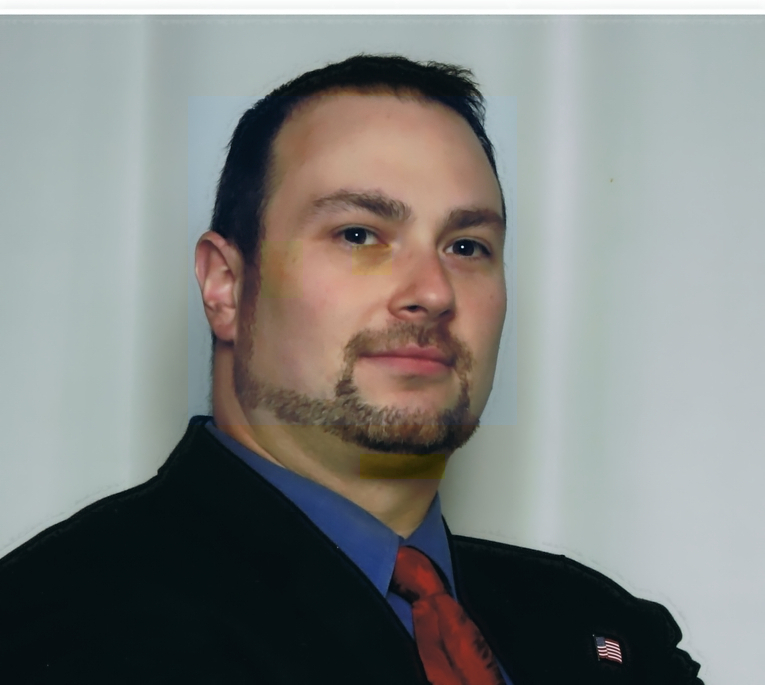
Joseph Campagna, SPHR, SHRM-SCP is president and owner of My Virtual HR Director, a human resources outsourcing company serving small and medium sized businesses nationwide. My Virtual HR Director provides an executive level HR advisor to companies that can’t afford or can’t justify hiring a fulltime HR professional on staff.
With thirty years of experience dedicated to the HR profession, Mr. Campagna has honed his skills as an expert in compliance, talent management and employee relations. Bringing human capital management experience from start-ups, IT and biotechnology companies, employee leasing, and fortune 100 behemoths Mr. Campagna has filled his tool belt through generalist work, executive positions, and consulting opportunities with companies such as ADP, Merrill Lynch, and Johnson & Johnson. As Vice President of HR for biotech company Hemo Concepts, as well as the head of HR for the global IT solutions company, the Galaxy Group, Mr. Campagna created rich and successful organizational development and employee engagement programs.
Having worked with a diverse group of companies and clients in a broad spectrum of industries and environments, he brings a unique HR philosophy to every organization he works with. “HR is not the picnic department,” he says “but instead bears the full responsibility and the unlimited potential for a highly productive and efficient workforce. If HR systems are successful, the organization’s revenue should be increased.” From mergers and acquisitions, to IPO’s, to new product development, to divestiture Mr. Campagna has a true business background to support his HR Architecture.
Mr. Campagna is certified as a senior professional through both the Human Resources Certification Institute (HRCI) and the Society for Human Resource Management (SHRM). The HRCI designation of Senior Professional in Human Resources (SPHR) is an experienced-based examination certification. The SHRM certification is a competency based examination certification. Each is a premier designation in the world of HR and recognized by the Society for Human Resource Management of which Joe is a national member and former chapter president.
Mr. Campagna brings decades of helping small and medium sized businesses create HR structures such as employee handbooks, performance systems, talent management, training programs, and employee engagement. He knows how to deliver business results through HR aligned objectives.
Nearly 30 years of expertise and HR executive authority combined with a group health insurance license and certifications from the Society for Human Resource management and the Human Resources Certification Institute have given Joseph Campagna the guru status that has earned him leadership roles, board of director roles, and speaking engagements related to human resources.